
Unveiling the Future: Tesla's Autonomous Vision Takes Shape
Key Disclosures from EPA Filings for the Tesla Cybercab
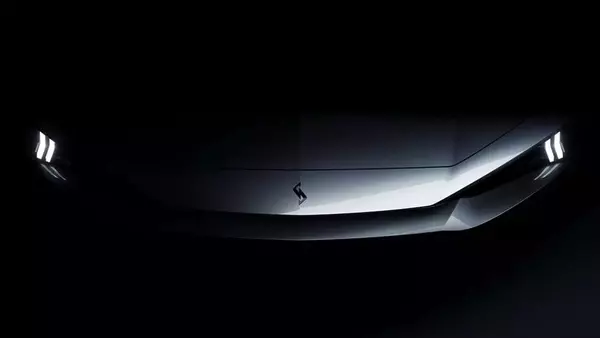
Newly released Environmental Protection Agency (EPA) documents have provided significant details regarding Tesla's upcoming Cybercab, also known as the Robotaxi. These filings confirm that the unreleased two-seat coupe will be equipped with a 219-horsepower electric motor positioned at the front and will have a curb weight of 3113 pounds.
Exploring the Cybercab's Power and Design
The Cybercab's design, as indicated by the EPA documents, centers around a single electric motor powering the front wheels. While the document's mention of "all-wheel drive" during testing creates some ambiguity, the specific listing of regenerative braking from the front wheels strongly suggests a front-wheel-drive configuration for power delivery. This setup aims to balance efficiency with performance for urban autonomous travel.
Battery Capacity and Estimated Driving Range
Information from the EPA submissions points to a relatively compact battery pack for the Cybercab, estimated to be around 50 kWh. Based on lab test results, this battery size could provide an EPA-combined driving range of just under 280 miles. It's important to note that these figures are preliminary estimates and real-world performance may vary, but they offer a glimpse into the vehicle's potential operational capacity.
The Enduring Debate: Steering Wheel or Fully Autonomous?
Tesla's long-standing promises of fully autonomous vehicles have been met with both excitement and skepticism. While CEO Elon Musk has hinted at a future without traditional controls like steering wheels and pedals for the Cybercab, the practical implications for drivers and enthusiasts remain a topic of discussion. The article humorously suggests that a vehicle of this weight and power could be quite enjoyable on scenic roads if it retained conventional controls, bridging the gap between autonomous utility and driving pleasure.