
In a period marked by fluctuating investor sentiment toward artificial intelligence companies, three industry leaders—Taiwan Semiconductor Manufacturing (TSMC), Alphabet, and Nvidia—have maintained a strong upward trajectory, outperforming broader market indices like the S&P 500. Their continued success underscores their critical roles and strategic advantages within the rapidly evolving AI landscape. This detailed examination explores the factors contributing to their robust performance and their promising outlook for sustained long-term expansion.
The current market environment presents a complex picture for AI investments, with some segments experiencing significant gains followed by recent corrections. However, the consistent outperformance of these three technology giants suggests that their core businesses are not only resilient but also strategically positioned to capitalize on the increasing demand for AI-driven solutions. Understanding their unique contributions and market dynamics is key to appreciating their enduring investment appeal.
TSMC's Indispensable Role in AI Chip Manufacturing
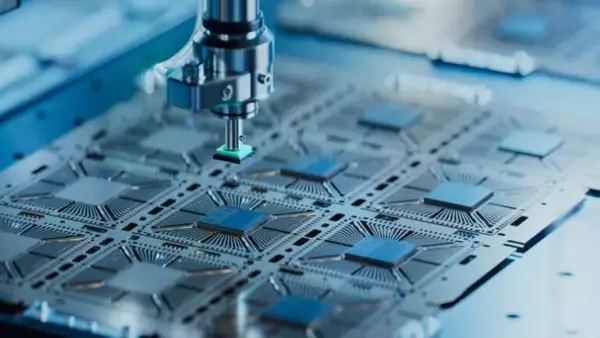
Taiwan Semiconductor Manufacturing Company, commonly known as TSMC, stands as an undisputed leader in the global semiconductor industry, responsible for producing approximately 70% of all processors and nearly 90% of advanced processors worldwide. This dominant market position means that any major technology firm requiring sophisticated AI processors invariably turns to TSMC for manufacturing. The sheer scale and technological prowess of TSMC make it an indispensable partner for companies at the forefront of AI development, ensuring its continued relevance and growth in the coming years.
TSMC's business has significantly benefited from the escalating demand for AI chips, evidenced by its substantial sales growth in recent years, including a 32% increase to $121 billion in 2025. This growth trajectory is projected to continue, with the company estimating the global chip market to reach $1.5 trillion by 2030, largely driven by AI processors. A key advantage for TSMC is its agnostic position in the AI race; it profits from the overall expansion of AI processor demand, regardless of which specific AI developer—be it OpenAI, Anthropic, Meta Platforms, Alphabet, or emerging startups—emerges as the market leader. This ensures a broad and diversified revenue stream, mitigating risks associated with individual company performance in the competitive AI sector.
Alphabet's Pervasive AI Integration and Market Influence
Alphabet is asserting a leading position in the artificial intelligence domain through its rapidly expanding Gemini AI model, which has more than doubled its user base over the past year to surpass 900 million users. While Gemini operates in a competitive landscape alongside models like OpenAI's ChatGPT and Anthropic's Claude, Alphabet's success isn't solely dependent on market dominance but rather on its extensive integration of AI across its vast ecosystem. The company has already reported significant financial gains directly attributable to its AI services, with Google Cloud sales surging by 63% in the first quarter, reaching $20 billion, primarily due to enhanced AI offerings.
The ubiquity of Gemini across Alphabet's diverse product portfolio, including YouTube, advertising platforms, Search, and Google Workspace, positions the company uniquely to leverage AI for long-term revenue growth. With such a massive user base, Alphabet can strategically implement gradual price adjustments or introduce new service tiers embedded with advanced AI features, thereby continually boosting its earnings. A notable example of Gemini's immediate financial impact is Apple's decision to integrate Gemini into its forthcoming Siri update, with a reported annual payment of $1 billion to Alphabet. This strategic partnership further solidifies Alphabet's role as a pivotal player in the broader AI landscape, ensuring its sustained profitability and innovation in the years ahead.
Nvidia's Unrivaled Dominance in AI Processor Technology
Nvidia continues to reign supreme in the artificial intelligence processor market, solidifying its status as a top investment choice for AI enthusiasts, despite increasing competition. The company commands an impressive approximately 86% share of the AI data center revenue market, significantly outpacing its rivals, with AMD holding a mere 7%. This substantial market lead underscores Nvidia's technological superiority and its critical role in powering the world's most advanced AI computations. The sustained demand for its cutting-edge processors ensures its continued leadership in this high-growth sector.
Nvidia's financial performance consistently reflects its market dominance, with recent reports showcasing an 85% surge in revenue, reaching nearly $82 billion in the most recent quarter, and diluted non-GAAP earnings per share skyrocketing by 140% to $1.87. Furthermore, Nvidia's stock appears relatively undervalued compared to other prominent AI companies, boasting a price-to-earnings (P/E) ratio of approximately 30, significantly lower than AMD's 150 and Broadcom's 62. Looking ahead, the burgeoning fields of robotics and autonomous systems are expected to generate even greater demand for Nvidia's high-performance processors. Analysts project the robotics industry alone could be worth an astounding $9 trillion by 2050, requiring millions of humanoid robots that will depend on advanced processing capabilities. This confluence of factors strongly positions Nvidia for exceptional long-term growth in the evolving AI landscape.