
Spain's cinematic landscape is experiencing an extraordinary renaissance, marked by a significant international presence and a burgeoning creative output. This momentum is strikingly evident in its strong showing at prestigious film festivals like Cannes, where Spanish directors have garnered more main competition selections than any other nation in recent years. Furthermore, the country has cemented its position as a leading exporter of non-English language content, with its productions consistently topping streaming charts. This cultural flourishing is being celebrated and further propelled by events such as the 'Stories Travel Further – Literature and Cinema in Spain-China Dialogue' in Shanghai, which serves as a pivotal platform for cross-cultural artistic exchange and highlights Spain's diverse talents in film, literature, fashion, and design.
Spain's Creative Surge Ignites Global Dialogue in Shanghai
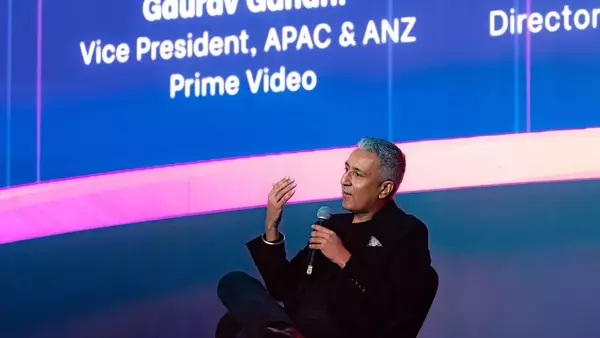
On June 17, Prime Video announced Spain's unparalleled success as its top non-English export force, mirroring the nation's robust presence at film festivals. This creative surge culminated in a significant three-part event on June 21 in Shanghai: 'Stories Travel Further – Literature and Cinema in Spain-China Dialogue.' This program, a cornerstone of the 'Spain – Where Talent Ignites' initiative, brought together prominent Spanish and Chinese filmmakers for a compelling exchange of ideas.
A highlight of the dialogue featured a conversation between Spanish director Albert Serra, known for his unique narrative approaches and a Cannes 2022 competition contender, and Chinese filmmaker Bi Gan, a Cannes 2025 Special Jury Prize winner. Their discussion delved into the intricacies of storytelling, the art of adaptation, shared creative visions, and the powerful ability of cinema to bridge cultural divides. Both directors have demonstrated a remarkable capacity for cross-cultural empathy in their works; Serra's 'Pacification' explores the complexities of colonialism in Tahiti, while his co-production 'Magellan' embraces a Filipino perspective. Bi Gan's 'Resurrection' has been hailed for its maximalist ambition and poignant elegy to 20th-century cinema, suggesting a common ground for artistic exploration between the two.
Beyond cinematic discussions, the Shanghai event also emphasized the strategic importance of literature as a 'safe intellectual property' for adaptation. Fernando Benzo, Secretary General of the Spanish Federation of Publishers, highlighted the inherent advantage of adapting books with existing fan bases, a sentiment strongly supported by Prime Video's recent success. Six of the top ten non-English Prime Original Films between June 1-7 were Spanish productions, five of which were literary adaptations. This includes popular series like Mercedes Ron's 'My Fault' trilogy and Galician author Manel Loureiro's 'Apocalypse Z: The Beginning of the End.'
The program further showcased Spain's burgeoning talent through three short films that premiered at Cannes as part of the 'Where Talent Ignites' campaign. Carla Simón, a Berlin Golden Bear winner, presented 'Flamenco,' a psychological exploration of Spain's contemporary flamenco scene. Nicolás Méndez, celebrated for his work on Rosalía's music video 'Berghain,' debuted his first fiction film, 'La Tarara,' which uses fashion as a metaphor for creative transformation. Finally, the animation duo Pau López and Gerardo del Hierro, known as Turbo, unveiled 'La Llama,' an animated short that reimagines Spanish design and architecture through a whimsical lens, underscored by the music of flamenco guitarist Yerai Cortés and singer La Tania.
This comprehensive showcase in Shanghai not only underscores Spain's significant creative output but also its commitment to fostering international artistic collaboration and pushing the boundaries of storytelling across various mediums.
The flourishing of Spanish cinema, as highlighted by the Shanghai dialogue and recent successes on global platforms, offers a compelling insight into the power of cultural exchange and the strategic embrace of diverse storytelling. The collaborative spirit between Spanish and Chinese filmmakers, particularly through the lens of figures like Albert Serra and Bi Gan, exemplifies how shared artistic values can transcend geographical and linguistic barriers. Furthermore, the emphasis on adapting literary works into screen productions underscores a valuable lesson for creative industries worldwide: leveraging established intellectual property can mitigate risks and tap into existing audiences, creating a fertile ground for both artistic innovation and commercial success. This movement is a testament to the enduring appeal of rich narratives and the universal language of human experience, proving that when talent ignites, its stories indeed travel further.