
The global oil market has shown an unexpected ability to withstand the pressures stemming from the Strait of Hormuz situation, maintaining prices around $100 per barrel. This is a stark contrast to initial forecasts predicting a surge to $150–$200. This stability highlights the market's deep adaptive mechanisms and a more diverse supply landscape than previously assumed.
Oil Market Defies Expectations Amidst Geopolitical Tensions
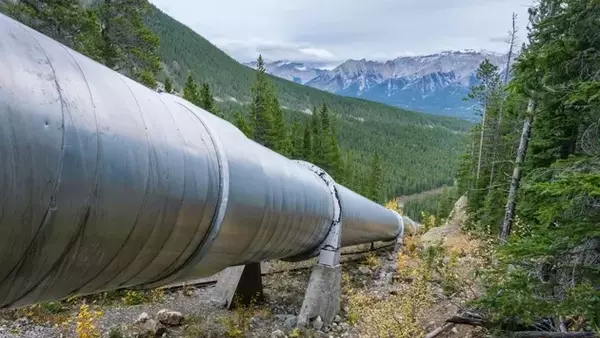
During the recent period of heightened tensions in the Strait of Hormuz, a critical chokepoint for global oil transit, the international oil market displayed an impressive degree of resilience. Rather than succumbing to the dire predictions of price spikes reaching $150 or even $200 per barrel, crude oil prices largely stabilized near the $100 mark. This unexpected outcome, a testament to the market's inherent flexibility, can be attributed to a confluence of strategic and structural factors. Prior to the escalation of the crisis, significant global oil inventory surpluses acted as a crucial buffer, preventing immediate and sharp price increases. Furthermore, coordinated releases from strategic petroleum reserves by various nations provided additional liquidity and reassured markets, dampening speculative fervor. The global supply chain also demonstrated remarkable adaptability, with alternative pipeline routes emerging as viable options for oil transportation. Concurrently, increased exports from the United States, alongside consistent supplies from nations such as Oman, Brazil, Kazakhstan, and Libya, collectively offset any potential disruptions from the Gulf region. The reduced oil demand from China, coupled with the U.S. asserting its role as a leading oil producer, further contributed to absorbing market shocks and temporarily reshaping global price dynamics.
The stability of oil prices amidst the Strait of Hormuz crisis offers valuable insights into the evolving dynamics of the global energy market. It underscores the importance of diversified supply sources and the effectiveness of strategic reserves in mitigating geopolitical risks. The ability of the market to adapt and recalibrate under pressure suggests a more robust and interconnected system than commonly perceived. This event could prompt a reevaluation of energy security policies, emphasizing flexibility and redundancy in supply chains to better navigate future uncertainties.