
Michael Rider, the acclaimed artistic director of Celine, has successfully injected a vibrant and optimistic spirit into the venerable French fashion house. His approach seamlessly marries American sportswear with sophisticated Parisian elegance, crafting a distinctive identity for Celine. This transformation follows a journey deeply rooted in his personal experiences and a profound connection to the tactile nature of clothing. Rider's recent collections, including his celebrated spring line and a rapturously received fall presentation, have firmly established his unique vision, silencing any doubts about how a designer from Washington, D.C. could helm such a quintessentially Parisian brand. His philosophy emphasizes both the wearability and the emotional resonance of garments, creating a truly personal and joyful new era for Celine.
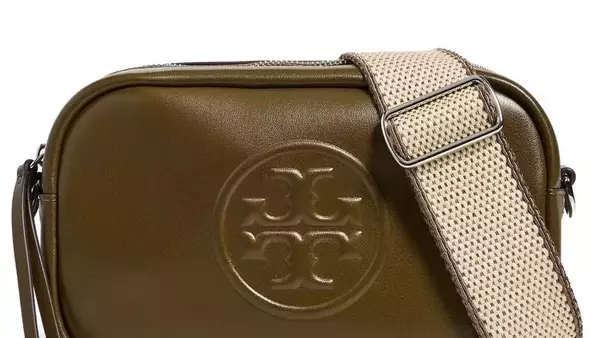
Rider's path to the helm of Celine is as unique as his designs. After an initial stint at Celine as design director under Phoebe Philo, he transitioned to Polo Ralph Lauren, where he honed his knack for sportswear. His return to Celine in 2024, now as artistic director, marked a pivotal moment. He describes his designs as a fusion of Philo's refined wearability and the sporty panache acquired at Ralph Lauren, resulting in a distinctly modern and optimistic aesthetic. His collections feature bright, playful colors and subtle nods to personal joy, like the "Smile bag" with its emoji-like zipper curve. This blend of influences is evident in pieces such as tiger-striped coats, bold red trousers, and sequined skullcaps, all reflecting a vibrant energy.
His design philosophy is deeply personal and tactile. Rider, who resides in the Marais with his husband, knitwear designer Emmanuel “Manu” Morlet, values tangible connections over abstract concepts. He is known for his physical engagement with design, hanging a rope in his office for daily “get-ups” and cycling to work, reflecting his belief in the importance of interaction with the world around him. This tactile approach extends to his work, where he prioritizes fabric weights and textures, focusing on how clothes feel on the body. This is a designer who observes the world keenly, drawing inspiration from everyday life, including public transportation and the diverse styles of people he encounters.
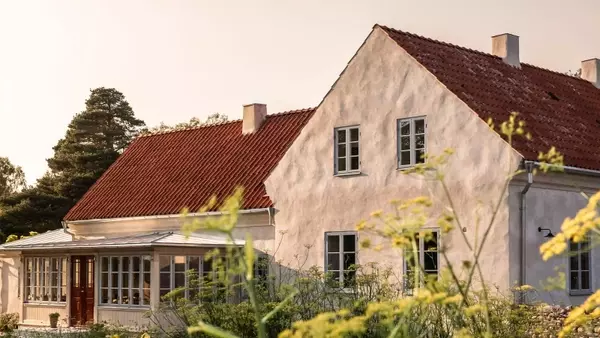
Rider's journey into fashion was not straightforward. Growing up in Washington, D.C., with parents involved in leftist politics and activism, he initially pursued education and Latin American studies at Brown University. After teaching at a charter school in Oakland, he realized his desire to explore his creative side. His first apprenticeship in the Garment District of New York, followed by a serendipitous internship at Balenciaga under Nicolas Ghesquière, laid the foundation for his career. It was at Balenciaga that he met Morlet, and the two have been inseparable ever since, their lives intertwined with the rhythm of Parisian fashion and their shared country retreat in Normandy.
Rider's deep appreciation for clothes is evident in his extensive personal collection, stored in multiple units globally. These garments, often worn and imbued with memories, are cherished for their emotional significance rather than their pristine condition. He considers tears, rips, and faded elements as loving embellishments, reflecting a belief that clothing should tell a story and foster deep, personal relationships. This perspective underscores his understanding that true style comes from an emotional connection to what one wears, a sentiment he believes fashion should strive to evoke more frequently.
His latest show, held by the Seine at the Institut de France, exemplified this philosophy. Models sported heavily adorned necklaces, mismatched earrings, and multiple rings, alongside a blend of sharp tailoring and relaxed silhouettes. The collection presented a vibrant tapestry of individual expression, from leather jackets paired with crisp white kerchiefs to multi-colored knit dresses. The show itself felt like a community gathering, with a set resembling a community center and plastic pins reminiscent of political buttons, reflecting Rider's belief in fashion's power to foster connection and joy.
Michael Rider's vision for Celine transcends mere aesthetics; it's a celebration of personal connection, emotional resonance, and a joyful approach to clothing. His collections reflect a harmonious blend of his diverse experiences, from his American roots to his Parisian life, and his unwavering belief in fashion's capacity to inspire dreams and enrich daily realities. By embracing the "complex, slightly messy inner lives" of individuals, he has created a narrative where clothing is not just worn but deeply felt, proving that fashion can indeed change how we perceive ourselves and the world around us.