
Asparagus, a celebrated harbinger of spring, offers a unique culinary experience that transcends its year-round supermarket presence. Unlike its imported counterparts, freshly harvested spring asparagus boasts a remarkable sweetness, a flavor profile that rapidly diminishes as its natural sugars convert into starch post-harvest. This guide explores the nuances of selecting, preparing, and cooking asparagus to maximize its delicate taste and appealing texture. With diverse methods ranging from raw preparations to high-heat cooking and even braising, there is an approach for every preference and spear size. Understanding how to handle this vibrant vegetable ensures a delightful outcome, transforming a simple ingredient into a star dish with ease.
The Asparagus Chronicles: From Selection to Sizzle
As spring unfurls its vibrant tapestry, the asparagus spear emerges as a culinary icon, celebrated for its tender bite and distinctive flavor. For those embarking on their asparagus adventure, or seasoned chefs seeking to refine their techniques, a meticulous approach from farm to fork is paramount.
The journey begins at the market, ideally a local farmers' market, where the freshest asparagus resides. Discerning shoppers should seek out stalks that are firm to the touch and exhibit a crisp, moist appearance, with tightly closed, verdant tips. The presence of any dryness, woodiness, or opening of the tip petals signals an older harvest, indicating a decline in the vegetable's peak sweetness and tenderness. While diverse varieties exist—from bright green to white (cultivated underground) and purple hues—these visual cues remain constant indicators of quality.
Once acquired, proper handling is crucial. Asparagus, much like fresh flowers, benefits from immediate refrigeration. For optimal freshness, trim the ends and place the spears upright in a container with a small amount of water, covering the tips loosely with a plastic bag to prevent moisture loss. This method helps to preserve its fleeting sweetness, which, once lost, cannot be reclaimed. For long-term enjoyment, it is always recommended to consume asparagus as soon as possible after purchase.
The preparation phase often sparks debate, particularly concerning the removal of woody ends. The popular "snap test," which suggests bending the spear until it naturally breaks at the tender point, is often a misconception. Extensive testing reveals that the break point is highly variable and can lead to unnecessary waste of edible portions. A more efficient and reliable method involves visually identifying where the stalk transitions from green to white—an indicator of woodiness—and then uniformly slicing off the fibrous ends of the entire bunch with a sharp knife. Any individual outliers can then be trimmed as needed.
For those seeking an elevated texture, peeling thicker asparagus stalks can eliminate their fibrous outer layer, resulting in a uniformly tender experience. However, this step is entirely optional and depends on personal preference. The removed peels, rich in flavor, can be repurposed in stocks or creamy soups, minimizing waste and maximizing taste.
The culinary versatility of asparagus truly shines in its cooking methods, each designed to highlight different aspects of its character. High-heat techniques such as grilling, broiling, oven-roasting, pan-roasting, and air-frying are particularly effective. These methods leverage the vegetable's natural sugars, promoting caramelization and charring that enhance its flavor profile and create a delightful crisp-tender texture. For instance, grilling imbues asparagus with a smoky sweetness, while pan-roasting in a hot skillet achieves a beautiful blistered exterior. When employing high heat, a light coating of oil ensures even cooking and prevents dryness. Thinner spears excel in blanching or steaming, preserving their delicate taste, while thicker stalks are more suited for robust high-heat treatments or even braising. Braising, a method that involves searing and then gently cooking in liquid with butter, transforms asparagus into a succulent, olive-green delicacy, coated in a rich, emulsified sauce.
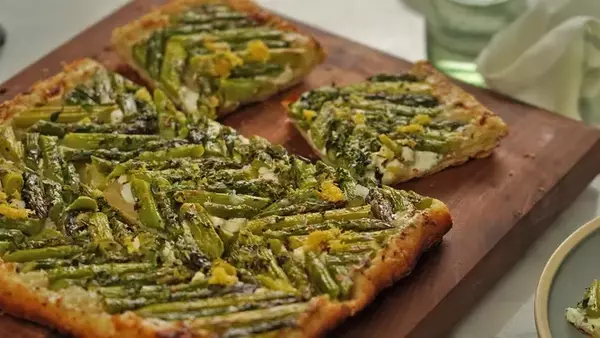
Asparagus can also be enjoyed raw, especially slender spears that can be thinly sliced and tossed into salads. Larger stalks, when thinly shaved lengthwise, can be curled in ice water to create elegant garnishes for salads or pizzas, adding a fresh, crisp dimension.
Regardless of the chosen method, the goal is to celebrate the asparagus in its freshest, most flavorful form, ensuring each bite is a testament to the vibrant essence of spring.
The journey of asparagus, from its humble origins in the earth to its various culinary transformations, offers a fascinating insight into food science and personal preference. Reflecting on the "snap test" for trimming asparagus, it's clear that traditional wisdom, while often charming, isn't always the most precise or efficient path. The revelation that the break point is largely user-dependent, rather than an inherent "sweet spot," encourages a more analytical approach in the kitchen. This observation teaches us to question culinary dogma and embrace experimentation, allowing for better outcomes and reduced waste. Furthermore, the discussion around asparagus's impact on urine odor, and its genetic variations across populations, is a quirky yet illuminating detail. It reminds us that our bodies interact with food in unique ways, and what might be a common experience for one group could be entirely different for another. This highlights the intricate connection between diet, genetics, and sensory perception, urging a deeper appreciation for individual differences. Ultimately, this comprehensive guide to asparagus isn't just about cooking a vegetable; it's about thoughtful engagement with our food, from understanding its natural properties to adapting preparation methods for optimal enjoyment, all while acknowledging the delightful eccentricities of human biology.