
Fox Corporation has announced a monumental agreement to acquire Roku, a prominent streaming technology company, in a transaction valued at approximately $22 billion. This strategic union, conducted through a combination of cash and Fox Class A common stock, is poised to reshape the digital video landscape. The deal brings together Fox's established portfolio of live news, sports, and entertainment content, alongside its Tubi streaming service, with Roku's expansive connected TV platform, The Roku Channel, and its direct connection to over 100 million global streaming households. This move is designed to fortify Fox's standing in the rapidly expanding digital video market, opening new avenues for engaging audiences and collaborating with partners.
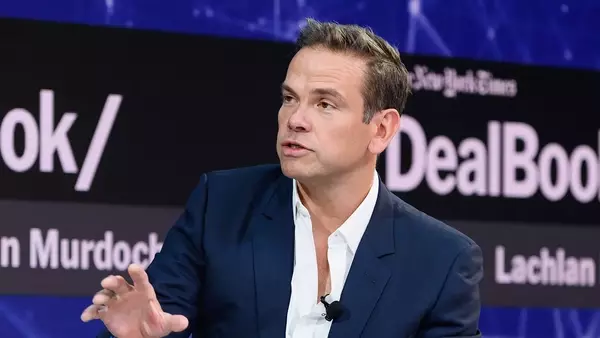
Lachlan Murdoch, Fox's executive chair and CEO, emphasized the transformative nature of this acquisition during a recent analyst briefing. He characterized the deal as a pivotal moment for Fox, underscoring its potential to unite Fox, a leader in live media, with Roku, a frontrunner in connected TV technology. Murdoch articulated that the acquisition will significantly bolster Fox's presence and growth within the dynamic digital video environment, unlocking innovative methods to serve both its viewership and its business collaborators. This follows Fox's earlier acquisition of Tubi in 2020, demonstrating a consistent strategy of prioritizing strategic focus over sheer scale in the competitive streaming industry.
Murdoch conveyed strong confidence in the combined entity's capacity for enhanced growth, stating that Roku's integration will empower Fox to navigate the evolving streaming sector more effectively, particularly in distributing Fox and Tubi content. He highlighted the growing consumer preference for aggregated, simplified, and unified experiences on platforms such as Roku. On a pro forma basis, the merged company is projected to emerge as the third-largest player in U.S. television based on viewing share, boasting a compelling mix of Fox's diverse content genres, complemented by Tubi and The Roku Channel. This extensive distribution and engagement capacity across broadcast, cable, local, and streaming environments is expected to yield substantial benefits for viewers, partners, and advertisers alike.
Anthony Wood, Roku's founder, chairman, and CEO, also affirmed the company's strong position prior to the transaction. He asserted that the acquisition represents the optimal path to accelerate Roku's long-term strategic objectives and to further influence the trajectory of television's future. Wood defended the timing of the merger, noting the attractive valuation and the opportunity to execute their strategy more swiftly than independently. With Roku reaching over 100 million global households through its proprietary streaming technology, Wood expressed conviction that the combined forces of Roku and Fox will be uniquely equipped to deliver the value, personalization, and simplicity that modern viewers seek. The decision followed a thorough strategic review by Roku, which ultimately identified Fox as the most suitable bidder.
Both companies underscored several key strategic advantages of the deal, including an anticipated increase in scale and reach. They stated that the combined enterprise would encompass premium live content, broad distribution capabilities, and significant audience engagement across both linear and streaming platforms. Murdoch reassured stakeholders that Roku would maintain its open platform policy for rival streamers like Netflix and Prime Video post-acquisition, emphasizing its essential role as a partner-friendly business. Wood echoed this sentiment, affirming their commitment to promoting both their own and partner services. Fox plans to incur an additional $8 billion in debt to finance the acquisition, which is expected to result in Fox shareholders holding a 73 percent ownership stake in the combined entities, with Roku shareholders retaining the remaining 27 percent. The acquisition is anticipated to finalize in the first half of 2027 and is projected to generate approximately $400 million in cost synergies.
Murdoch also addressed the potential impact on Fox's sports rights distribution and revenue generation, noting that while sports rights were not the primary focus of this transaction, the integration of Fox and Roku is expected to significantly enhance the reach and discoverability of all premium content, including sports. He foresees substantial advertising synergies and revenue growth as a direct outcome of this merger. Additionally, the acquisition is expected to accelerate Fox's expansion into international markets, building on its recent focus on Latin America, and aligns with Murdoch's prior discussions about potential acquisitions supported by the company's robust financial health. Both Murdoch and Wood confirmed that the Fox and Roku brands would operate distinctly post-merger, ensuring that each continues to serve its respective audience in its established manner, with Fox maintaining neutrality in distributing third-party content. Murdoch expressed optimism about increasing U.S. viewership through the combined power of Roku's technology and platform, coupled with the rich content offerings from both The Roku Channel and Fox.
This momentous acquisition marks a pivotal shift for both Fox and Roku, aligning their strengths to navigate the complexities of the evolving media landscape. The integration of Fox's diverse content portfolio with Roku's advanced streaming technology and extensive user base is designed to create a powerful and diversified media entity. This strategic alignment promises to unlock significant opportunities for audience engagement, content distribution, and advertising innovation, positioning the new combined company as a formidable competitor in the global streaming arena and paving the way for future growth and market leadership.