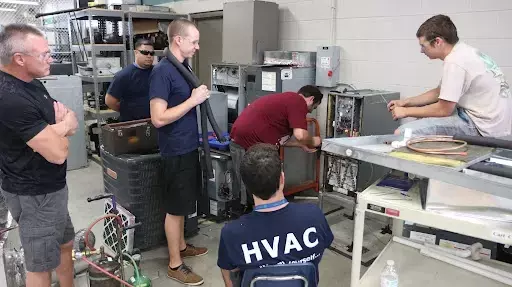
As the demand for skilled trades continues to grow across the United States, electrician training programs have become an increasingly popular pathway for people seeking stable employment and long-term career opportunities.
Many individuals assume that becoming an electrician requires years of experience before entering the field. However, many training pathways—including apprenticeship programs—allow beginners to learn practical skills under supervision while earning wages during their training period.
This guide explains how electrician training works, the common types of programs available, potential costs, salary expectations, and what future electricians should consider before choosing a training path.

Relatedsearches
1. Why Electrician Careers Are Growing in the U.S.
Electricians play a critical role in residential, commercial, and industrial settings. They install, maintain, and repair electrical systems that power homes, businesses, manufacturing facilities, and modern infrastructure.
Several factors are contributing to increased demand for trained electricians:
- Aging electrical infrastructure requiring upgrades
- Growth in renewable energy and electric vehicle charging systems
- New residential and commercial construction projects
- Retirement of experienced skilled workers
For many workers, electrical trades offer an alternative to traditional four-year college pathways while providing opportunities for career advancement.
2. Types of Electrician Training Programs
There are several ways to begin an electrician career in the United States.
| Training Type | How It Works | Best For |
|---|---|---|
| Apprenticeship Programs | Combines classroom instruction with paid on-the-job training under experienced electricians | Beginners who want to earn income while learning |
| Trade School Programs | Provides technical education in electrical theory, safety, and basic installation | Students seeking structured classroom training |
| Community College Programs | Offers certificates or associate degree programs related to electrical technology | Those interested in broader technical education |
| Employer-Sponsored Training | Some companies provide entry-level training for new workers | Individuals looking for direct employment opportunities |
Some apprenticeship programs may require an entrance exam, interview, or minimum educational qualifications.
3. Can You Become an Electrician Without Experience?
Yes. Many entry-level programs are designed for individuals with little or no previous electrical experience.
Common entry requirements may include:
- Being at least 18 years old
- Possessing a high school diploma or equivalent (requirements vary)
- Having the ability to perform physical work safely
- Meeting any local licensing or apprenticeship requirements
Applicants with strong problem-solving skills, attention to detail, and a willingness to learn may be good candidates for electrical training.
4. Paid Electrician Apprenticeships: Earn While You Learn
One of the biggest advantages of electrician apprenticeships is the opportunity to receive hands-on training while earning a paycheck.
During an apprenticeship, trainees may:
- Assist licensed electricians on real job sites
- Learn electrical codes and safety practices
- Install and maintain wiring systems
- Use professional tools and testing equipment
- Gain experience in residential, commercial, or industrial environments
Apprentice wages vary by state, employer, union agreements, and experience level. Earnings generally increase as apprentices complete additional training hours and progress through the program.
5. How Much Does Electrician Training Cost?
The cost of electrician training depends on the type of program.
| Program Type | Typical Cost Range |
|---|---|
| Apprenticeships | Some programs may have low tuition or training costs, and apprentices may earn wages while training |
| Trade Schools | Approximately $1,000–$20,000 depending on the school and program length |
| Community Colleges | Tuition varies by institution and residency status |
Before enrolling, applicants should confirm what expenses are included, such as textbooks, tools, licensing exam preparation, and safety equipment.
6. Electrician Salary and Career Outlook
Electrician pay varies based on location, experience, specialization, certifications, and employer.
Experienced electricians may work in areas such as:
- Residential electrical systems
- Commercial construction
- Industrial maintenance
- Renewable energy systems
- Electrical inspection and project management
With additional training and licensing, electricians may advance into higher-level positions or operate their own businesses where permitted by state regulations.
7. How to Choose the Right Electrician Training Program
Before joining a program, consider the following:
Accreditation and Reputation
Choose schools or training organizations with recognized credentials and positive industry connections.
Hands-On Training Opportunities
Practical experience is essential in electrical work. Programs with lab sessions or on-the-job training can provide valuable experience.
Job Placement Support
Some schools and apprenticeship organizations offer career services, employer connections, or job placement assistance.
Schedule Flexibility
Evening or part-time classes may be available for people currently working.
8. Who Should Consider Electrician Training?
Electrician training may be a suitable option for:
- Individuals looking for a career change
- High school graduates exploring alternatives to college
- Workers seeking stable skilled-trade employment
- Veterans transitioning to civilian careers
- People who enjoy practical, hands-on work
Relatedsearches
Conclusion
Electrician training programs in the United States provide multiple pathways into a skilled trade career. Whether through an apprenticeship, trade school, or employer-sponsored program, many beginners can gain the knowledge and practical experience needed to enter the electrical field.
Before choosing a program, compare training costs, schedules, licensing requirements, and career support services. The right training pathway depends on your location, career goals, and personal circumstances.
Disclaimer: This article is intended for general educational purposes only and does not guarantee employment, salary levels, acceptance into any training program, or professional licensing. Training requirements and career outcomes vary by state, employer, and individual qualifications.